

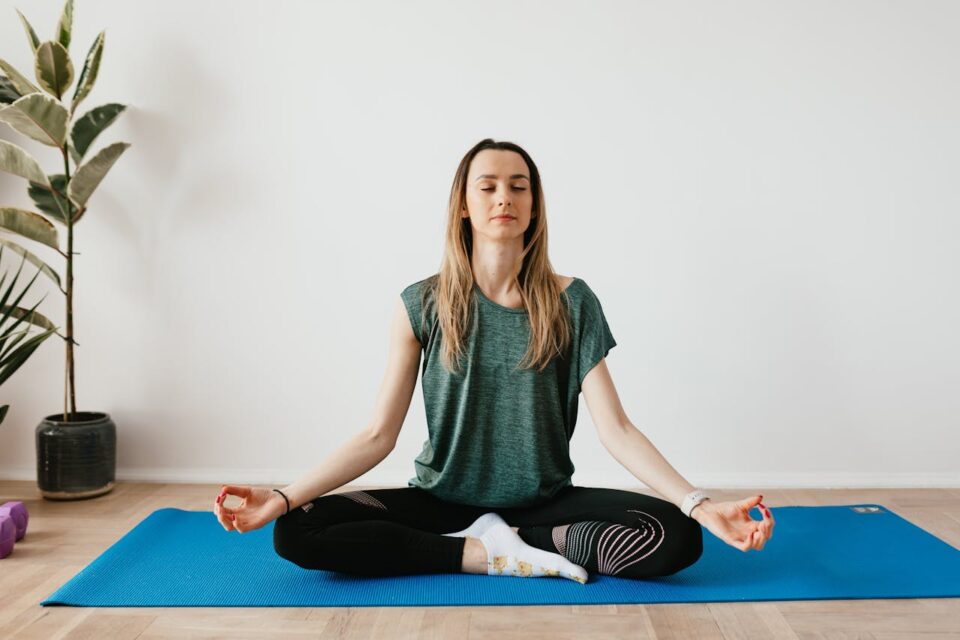
Creating a dedicated space at home for yoga is becoming increasingly popular in Singapore. With busy schedules, not everyone can attend a studio every day, yet maintaining consistency in practice is crucial for long-term benefits. Many people start their journey by joining yoga classes near me, learning proper techniques, and then adapting what they learn into a personalised home setup. By designing a yoga corner that reflects the calm and focus of a studio, you can enjoy the best of both worlds: professional guidance outside and meaningful practice within your own home.
Why a Home Yoga Space Matters
Yoga is not only about movement but also about creating a mental state of calm and awareness. Having a designated area for practice helps build discipline, reduces distractions, and makes it easier to transition into mindfulness. Unlike practising randomly in the living room or bedroom, a dedicated corner encourages consistency and ritual.
Key Elements of a Home Yoga Corner
Choosing the Right Location
The first step is to identify a quiet spot with minimal foot traffic. Ideally, it should be near a window for natural light and ventilation. If space is limited, even a small corner in a bedroom or living area can be transformed with thoughtful design.
Flooring and Comfort
The surface you practise on makes a big difference. Wooden or tiled flooring with a non-slip yoga mat provides stability. For additional comfort, especially on harder floors, consider using foam underlays or rugs beneath your mat.
Lighting and Ambience
Lighting sets the tone for practice. Natural light creates freshness in morning sessions, while soft lamps or warm-toned LED lights are perfect for evening routines. Candles or Himalayan salt lamps can add a calming effect, turning the space into a mini sanctuary.
Props and Accessories
Invest in essential yoga props for versatility:
-
A durable mat with good grip
-
Yoga blocks for support and alignment
-
A strap to improve flexibility safely
-
Bolsters or cushions for restorative poses
-
A blanket for meditation or relaxation
Keeping these within reach ensures your practice flows smoothly.
Bringing Studio Inspiration Home
Those who attend professional studios often admire the calming atmosphere and structured design. Recreating this at home can make your space equally inviting. Adding touches like potted plants, wall art with affirmations, or incense sticks can set the right mood. Soft background music or nature sounds can also replicate the relaxing environment of a guided class.
The Role of Organisation and Minimalism
Clutter disrupts focus. Keeping your yoga corner tidy ensures you enter practice with a clear mind. Storage baskets, wall hooks for mats, or small shelves for props keep everything in place. A minimalist design also enhances the sense of spaciousness, even in smaller flats common in Singapore.
Integrating Technology in Your Yoga Corner
While a home practice should remain mindful, technology can be a useful aid. A tablet stand or TV screen can stream virtual classes. Smart speakers can guide you through meditation tracks or breathing exercises. Fitness trackers help monitor progress in flexibility, heart rate, and stress reduction.
Combining Home Practice with Studio Learning
Practising at home offers flexibility, but guidance from experienced instructors is invaluable for growth. Many people balance both by attending studio sessions for adjustments and new techniques, then incorporating them into their personal routine. Studios like Yoga Edition provide structured classes that inspire fresh ideas for home practice, making your yoga journey well-rounded.
Creating a Multi-Purpose Wellness Corner
Your yoga space can also double as a wellness area. Use it for meditation, reading, or quiet reflection. Adding a small journal encourages self-tracking of emotions, posture improvements, or gratitude notes. This multifunctional approach turns the corner into a holistic wellness zone.
Practical Tips for Designing Your Space
-
Choose calming colours such as soft neutrals or earthy tones for walls and décor.
-
Use foldable props if space is tight.
-
Position mirrors to monitor alignment during postures.
-
Include natural elements like bamboo, rattan, or cotton for a grounded feel.
-
Refresh the corner regularly by changing scents, flowers, or artwork to keep motivation high.
Real-Life Benefits of a Home Yoga Corner
Creating a dedicated yoga corner encourages daily discipline. Singaporeans who juggle demanding work and family responsibilities often find it difficult to attend studios regularly. Having a home practice space ensures they can roll out their mat anytime without the barrier of travel. Over time, this accessibility builds consistency, leading to noticeable improvements in flexibility, strength, and mental clarity.
Long-Term Lifestyle Integration
A yoga corner at home is not just about convenience. It becomes part of your lifestyle, reflecting your commitment to wellness. Families who practise together often use the space for bonding, while individuals see it as a personal retreat for self-care. This combination of physical and emotional support makes the practice more sustainable.
FAQ
Q: Do I need a large space to set up a yoga corner at home?
A: No, even a small area can work effectively if organised well. The key is consistency, not size.
Q: What is the minimum equipment required to start a home yoga practice?
A: A good-quality yoga mat is essential. Blocks and straps are helpful but optional for beginners.
Q: How can I make my home practice feel as engaging as a studio session?
A: Use calming décor, play gentle music, and follow guided classes online. Bringing in natural elements like plants can also enhance the experience.
Q: Is it better to practise at home or in a studio?
A: Both have unique benefits. Studios provide expert guidance, while home practice offers flexibility. Many combine the two for the best results.
Q: How do I stay disciplined when practising at home?
A: Set specific times for practice, keep your yoga space ready, and track your progress. Treat your corner as a sacred space to build habit and accountability.
