
Choosing the right roofing material is one of the most important decisions you will make as a homeowner. Your roof protects your home from the elements, influences energy efficiency, and plays a major role in curb appeal. With so many materials available, selecting the best option requires a careful balance of durability, cost, climate suitability, and visual style.
This guide explains how to evaluate roofing materials and choose the one that fits your home and lifestyle.
Why Roofing Material Matters
The material you choose directly affects how your roof performs over time.
- Protection from rain, wind, heat, and other environmental conditions
- Longevity which determines how often replacement is needed
- Energy efficiency that impacts heating and cooling costs
- Maintenance needs that influence long term upkeep
- Appearance which contributes to your home’s exterior design
A well-chosen roofing material can last decades and reduce ongoing expenses.
Factors to Consider Before Choosing Roofing Material
Climate and Weather Conditions
Climate plays a major role in determining the right roofing material.
- In hot climates, reflective materials like metal help reduce heat absorption
- In areas with heavy rain, materials with strong water resistance are essential
- In regions with snow, roofs must support weight and allow proper drainage
Choosing a material suited to your environment improves durability and performance.
Budget and Cost
Roofing costs vary widely depending on the material.
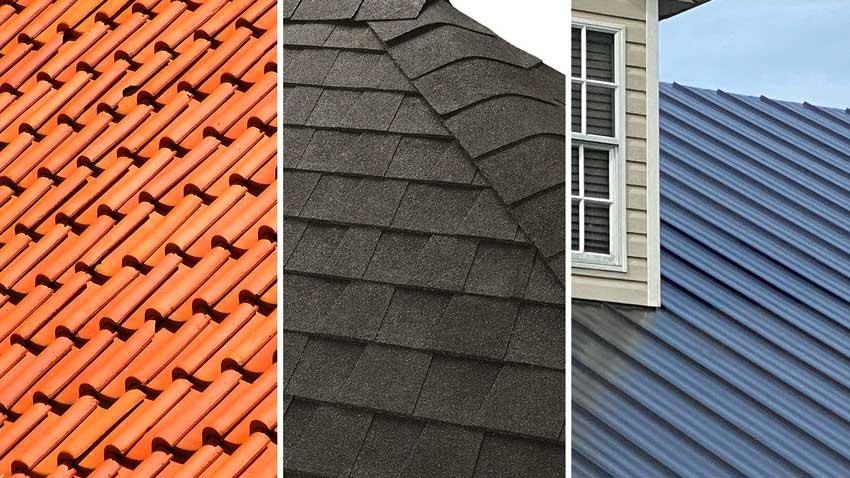
- Asphalt shingles are generally the most affordable
- Metal and tile roofing require higher upfront investment
- Premium materials offer longer lifespans and lower maintenance
It is important to balance initial cost with long term value.
Durability and Lifespan
Different materials have different lifespans.
- Asphalt shingles last around 15 to 30 years
- Metal roofing can last 40 to 70 years
- Tile and stone options can exceed 50 years
Longer lasting materials often justify their higher initial cost.
Maintenance Requirements
Some roofing materials require more upkeep than others.
- Wood shingles need regular treatment
- Tile roofs require periodic inspection
- Metal and asphalt typically need less maintenance
Consider how much time and effort you are willing to invest in upkeep.
Aesthetic Appeal
The roof contributes significantly to your home’s overall look.
- Choose colors and styles that match your exterior design
- Consider architectural style when selecting materials
- Ensure consistency with surrounding homes if needed
A visually appealing roof enhances property value.
Common Roofing Materials and Their Features
Asphalt Shingles
Asphalt shingles are the most popular roofing choice in residential construction.
Advantages:
- Affordable and widely available
- Easy to install and replace
- Suitable for various climates
Disadvantages:
- Shorter lifespan compared to other materials
- Can be damaged by extreme weather
This option works well for homeowners seeking a cost-effective solution.
Metal Roofing
Metal roofing is known for strength and longevity.
Advantages:
- Long lifespan
- Energy efficient due to heat reflection
- Resistant to fire and harsh weather
Disadvantages:
- Higher initial cost
- Requires proper insulation to reduce noise
Metal roofs are ideal for homeowners looking for durability and efficiency.
Tile Roofing
Tile roofing offers a distinctive and durable option.
Advantages:
- Long lasting
- Resistant to fire and insects
- Strong aesthetic appeal
Disadvantages:
- Heavy weight requiring structural support
- Higher installation costs
Tile roofing is commonly used in warm climates and traditional designs.
Wood Shingles and Shakes


Wood roofing provides a natural and textured look.
Advantages:
- Unique appearance
- Good insulation properties
Disadvantages:
- Requires regular maintenance
- Susceptible to fire and moisture
This option is best for homeowners prioritizing natural aesthetics.
Slate Roofing
Slate is a premium roofing material known for durability.
Advantages:
- Extremely long lifespan
- Elegant and timeless look
- Highly resistant to weather
Disadvantages:
- Expensive
- Requires professional installation
Slate is ideal for high-end homes and long-term investment.
Comparing Roofing Materials
When comparing options, consider the following:
- Cost vs lifespan to determine overall value
- Maintenance needs to estimate long term effort
- Climate compatibility for durability
- Weight and structure to ensure your home can support the material
A balanced comparison helps you make a practical decision.
Energy Efficiency and Roofing
Roofing materials influence indoor temperature and energy use.
- Reflective materials reduce heat absorption
- Proper insulation improves energy efficiency
- Ventilation systems prevent heat buildup
Energy efficient roofing can lower utility costs over time.
Importance of Professional Installation
Even the best material will fail if installed incorrectly.
- Ensure proper sealing and alignment
- Follow manufacturer guidelines
- Work with experienced contractors
Professional installation ensures safety and long-term performance.
Maintenance Tips for Long Lasting Roofs
Regular maintenance extends the life of your roof.
- Inspect for damage after storms
- Clean gutters to prevent water buildup
- Replace damaged shingles or tiles promptly
- Schedule professional inspections periodically
Preventive care reduces the risk of costly repairs.
Common Mistakes to Avoid
Avoid these common errors when choosing roofing materials.
- Focusing only on cost instead of value
- Ignoring climate conditions
- Choosing materials that do not match your home’s structure
- Skipping professional installation
Careful planning helps prevent these issues.
Conclusion
Choosing the best roofing material requires a thoughtful approach that considers durability, cost, climate, and design. Each material offers unique advantages, and the right choice depends on your specific needs and priorities.
By understanding your options and planning carefully, you can select a roofing solution that provides long-lasting protection, energy efficiency, and visual appeal for your home.
FAQ Section
1. What is the most cost effective roofing material
Asphalt shingles are typically the most affordable option for residential homes.
2. Which roofing material lasts the longest
Slate and metal roofing are among the longest lasting materials, often exceeding several decades.
3. How do I know if my home can support heavy roofing materials
A structural assessment by a professional contractor can determine if your home can handle heavier materials like tile or slate.
4. Is metal roofing suitable for all climates
Yes, metal roofing performs well in most climates, especially in areas with heat or heavy weather.
5. How often should a roof be inspected
It is recommended to inspect your roof at least once a year and after major storms.
6. Does roofing affect home energy efficiency
Yes, materials and insulation play a significant role in regulating indoor temperature and energy use.
7. Can I replace my roof without removing the old one
In some cases, new shingles can be installed over existing ones, but it depends on local building codes and roof condition.
