
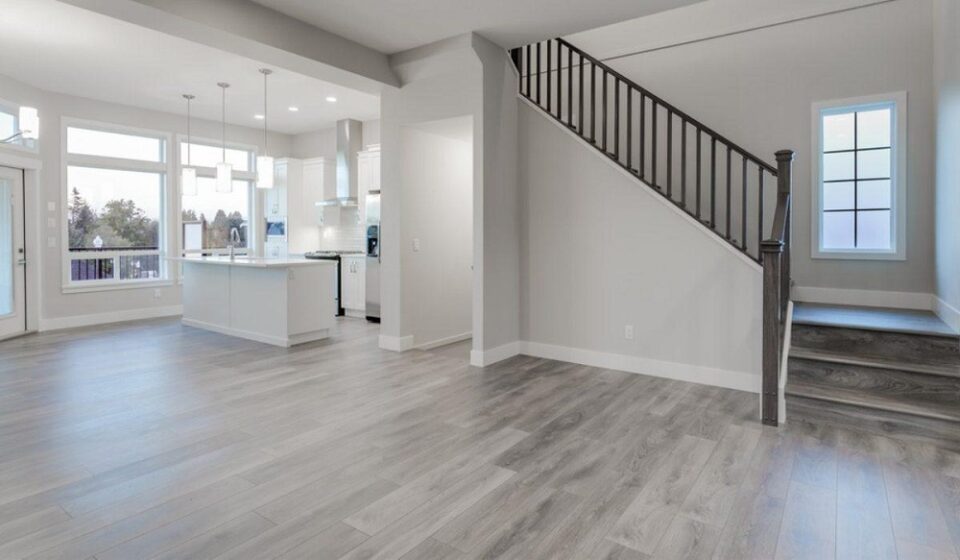
Flooring is one of the most influential elements in any home or commercial space. It defines the look, feel, and functionality of a room while also affecting maintenance, durability, and long-term value. Whether you are renovating, building new, or simply upgrading a single room, selecting the right flooring requires a thoughtful balance of aesthetics, practicality, and budget.
This guide breaks down the major flooring types, their advantages and drawbacks, and how to choose the best option for your needs.
Why Flooring Matters
Flooring does more than cover the ground beneath your feet. It plays a central role in:
- Interior design cohesion by tying together furniture, walls, and lighting
- Comfort and usability depending on texture, warmth, and sound absorption
- Durability and maintenance especially in high-traffic areas
- Property value as quality flooring can significantly increase resale appeal
Choosing wisely ensures that your investment pays off in both appearance and performance.
Types of Flooring
Hardwood Flooring
Hardwood flooring remains a classic choice known for its natural beauty and long lifespan.
Key Features:
- Made from solid or engineered wood
- Available in species like oak, maple, and walnut
- Can be sanded and refinished multiple times
Pros:
- Timeless appearance
- Increases home value
- Durable when properly maintained
Cons:
- Susceptible to moisture damage
- Higher upfront cost
- Requires periodic refinishing
Hardwood works best in living rooms, bedrooms, and dining areas where moisture exposure is minimal.
Laminate Flooring
Laminate flooring is designed to mimic wood or stone at a lower cost.
Key Features:
- Multi-layer synthetic product
- Photographic surface layer
- Click-and-lock installation
Pros:
- Budget-friendly
- Scratch-resistant
- Easy to install
Cons:
- Cannot be refinished
- Less authentic look compared to real wood
- Sensitive to water if not sealed properly
Laminate is a practical choice for families, rentals, and moderate-traffic areas.
Vinyl Flooring
Vinyl flooring has gained popularity due to its versatility and resilience.
Key Types:
- Luxury Vinyl Plank LVP
- Luxury Vinyl Tile LVT
- Sheet vinyl
Pros:
- Water-resistant or waterproof
- Comfortable underfoot
- Wide variety of styles
Cons:
- May not add as much resale value as hardwood
- Can dent under heavy furniture
Vinyl is ideal for kitchens, bathrooms, and basements where moisture resistance is essential.
Tile Flooring
Tile flooring offers durability and a wide range of design possibilities.
Types:
- Ceramic
- Porcelain
- Natural stone
Pros:
- Extremely durable
- Water-resistant
- Easy to clean
Cons:
- Hard and cold underfoot
- Can be slippery
- Grout requires maintenance
Tiles are best suited for bathrooms, kitchens, and entryways.
Carpet Flooring
Carpet remains a popular option for comfort and warmth.
Pros:
- Soft and comfortable
- Provides insulation and noise reduction
- Available in various textures and colors
Cons:
- Stains easily
- Requires regular cleaning
- Shorter lifespan compared to hard surfaces
Carpet is best for bedrooms, family rooms, and areas where comfort is a priority.
Stone Flooring
Natural stone flooring brings elegance and uniqueness to interiors.
Popular Choices:
- Marble
- Granite
- Slate
- Travertine
Pros:
- Highly durable
- Unique natural patterns
- Adds luxury appeal
Cons:
- Expensive
- Requires sealing
- Heavy and difficult to install
Stone flooring is commonly used in upscale homes and statement areas.
Factors to Consider When Choosing Flooring
1. Room Function
Different rooms have different requirements. For example:
- Bathrooms need waterproof materials like tile or vinyl
- Living rooms benefit from hardwood or laminate
- Bedrooms often prioritize comfort with carpet
2. Durability
Consider foot traffic and wear:
- High-traffic areas need durable options like tile or vinyl
- Low-traffic spaces can accommodate softer materials
3. Maintenance
Some flooring requires more upkeep than others:
- Hardwood needs refinishing
- Carpet requires frequent cleaning
- Vinyl and tile are relatively low-maintenance
4. Budget
Flooring costs vary widely:
- Carpet and laminate are generally affordable
- Hardwood and stone are premium investments
5. Aesthetic Appeal
Choose a style that complements your interior design:
- Light tones create a spacious feel
- Dark tones add warmth and sophistication
- Patterns and textures can enhance visual interest
Flooring Installation Methods
Understanding installation methods can influence your choice.
- Nail-down: Common for hardwood
- Glue-down: Used for vinyl and tile
- Floating floor: Popular for laminate and engineered wood
- Click-lock systems: DIY-friendly option
Professional installation is recommended for complex materials like tile and stone.
Maintenance Tips for Long-Lasting Floors
Proper care extends the life of your flooring.
- Sweep or vacuum regularly to remove dirt
- Use appropriate cleaning products for each material
- Avoid excessive moisture on wood and laminate
- Place rugs in high-traffic areas
- Use furniture pads to prevent scratches
Trends in Modern Flooring
Flooring trends continue to evolve with design preferences.
- Wide plank flooring for a modern, open look
- Waterproof materials for practical living
- Natural finishes emphasizing organic textures
- Mixed materials combining wood and tile
- Sustainable options such as bamboo and cork
These trends reflect a shift toward both functionality and eco-conscious design.
Conclusion
Flooring is a foundational aspect of any interior space. From the timeless elegance of hardwood to the practicality of vinyl and the durability of tile, each option offers unique benefits. The right choice depends on your lifestyle, budget, and design goals.
By understanding the strengths and limitations of each flooring type, you can make an informed decision that enhances both the beauty and functionality of your home.
FAQ Section
1. What is the most durable type of flooring?
Tile and stone flooring are among the most durable options, capable of lasting decades with minimal wear.
2. Which flooring is best for homes with pets?
Vinyl and laminate flooring are ideal due to their scratch resistance and ease of cleaning.
3. Is hardwood flooring suitable for kitchens?
Hardwood can be used in kitchens, but it requires careful maintenance to prevent moisture damage.
4. How often should flooring be replaced?
It depends on the material. Carpet may need replacement every 8 to 10 years, while hardwood can last decades with refinishing.
5. What is the easiest flooring to maintain?
Vinyl and tile flooring are the easiest to maintain due to their resistance to stains and moisture.
6. Can I install flooring myself?
Some flooring types like laminate and vinyl offer DIY-friendly installation, but professional help is recommended for tile and hardwood.
7. What flooring adds the most value to a home?
Hardwood flooring is widely considered the best investment for increasing home value and appeal.
