
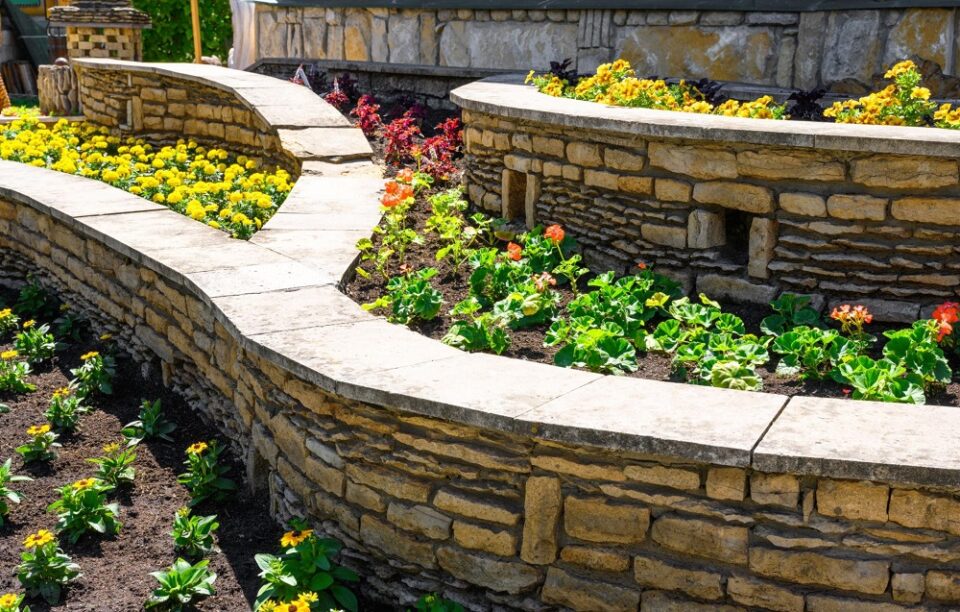
A garden is more than a collection of plants. It is a living extension of your home that brings beauty, relaxation, and a sense of purpose to everyday life. Whether you are working with a large backyard or a compact patio, a well-planned garden can transform any outdoor space into something meaningful and functional.
This guide covers everything you need to know about building and maintaining a garden, from planning and plant selection to care and seasonal upkeep.
Why Gardening Matters
Gardening offers both practical and emotional benefits that go beyond aesthetics.
- Improves mental well-being by reducing stress and encouraging mindfulness
- Enhances outdoor living spaces with color, texture, and structure
- Provides fresh produce when growing fruits, vegetables, or herbs
- Supports biodiversity by attracting pollinators like bees and butterflies
A well-maintained garden can also increase property value and create a welcoming atmosphere for family and guests.
Types of Gardens
Flower Gardens
Flower gardens focus on visual appeal and seasonal color.
Common features include:
- Annual and perennial plants
- Layered planting for depth
- Color coordination for visual harmony
These gardens are ideal for enhancing curb appeal and creating a vibrant outdoor setting.
Vegetable Gardens
Vegetable gardens provide fresh, homegrown food and promote sustainable living.
Popular crops include:
- Tomatoes
- Lettuce
- Peppers
- Herbs like basil and mint
They can be planted directly in the ground or in raised beds for better soil control.
Container Gardens
Container gardening is perfect for small spaces such as balconies or patios.
Advantages:
- Flexible placement
- Easy to manage
- Suitable for renters
This method allows you to grow flowers, herbs, and even vegetables in limited areas.
Landscape Gardens
Landscape gardens combine plants with structural elements like pathways, lawns, and decorative features.
Key elements include:
- Trees and shrubs
- Lawn areas
- Walkways and lighting
These gardens are designed for both beauty and functionality.
Planning Your Garden
A successful garden starts with thoughtful planning.
Assess Your Space
Before planting, evaluate your available space.
- Observe sunlight exposure throughout the day
- Identify shaded and sunny areas
- Check soil quality and drainage
Understanding these factors helps determine which plants will thrive.
Choose the Right Plants
Selecting plants suited to your climate and soil conditions is essential.
- Opt for native plants when possible
- Consider seasonal growth patterns
- Match plant needs with available sunlight
This reduces maintenance and improves success rates.
Design Layout
A clear layout ensures balance and accessibility.
- Use pathways to navigate the garden
- Group plants with similar water needs
- Create focal points with larger plants or features
A well-organized design makes maintenance easier and improves visual appeal.
Essential Gardening Tools
Having the right tools simplifies gardening tasks.
- Hand trowel for planting and digging
- Pruning shears for trimming plants
- Watering can or hose for irrigation
- Garden gloves for protection
- Rake and shovel for soil preparation
Investing in quality tools saves time and effort in the long run.
Soil and Fertility
Healthy soil is the foundation of a thriving garden.
Improve Soil Quality
- Add compost to enrich nutrients
- Use organic matter to improve texture
- Test soil pH to match plant requirements
Fertilization
- Use balanced fertilizers for general growth
- Apply organic options like manure or compost tea
- Avoid over-fertilizing to prevent plant damage
Good soil management leads to stronger plants and better yields.
Watering Techniques
Proper watering is crucial for plant health.
- Water early in the morning to reduce evaporation
- Use drip irrigation for efficient water use
- Avoid overwatering to prevent root rot
Different plants have different water needs, so adjust accordingly.
Seasonal Gardening Tips
Gardening is a year-round activity that changes with the seasons.
Spring
- Plant new flowers and vegetables
- Prepare soil with compost
- Start seeds indoors if needed
Summer
- Water regularly during hot weather
- Mulch to retain moisture
- Monitor for pests and diseases
Fall
- Harvest remaining crops
- Plant bulbs for spring blooms
- Clean up garden beds
Winter
- Protect plants from frost
- Plan next season’s garden
- Maintain tools and equipment
Adapting to seasonal changes keeps your garden productive and healthy.
Common Gardening Challenges
Every gardener faces challenges, but most can be managed effectively.
Pests and Diseases
- Use natural pest control methods
- Encourage beneficial insects
- Remove affected plants promptly
Weeds
- Mulch to suppress weed growth
- Remove weeds regularly
- Avoid letting weeds seed
Weather Conditions
- Use shade covers during extreme heat
- Protect plants from frost with coverings
- Choose resilient plant varieties
Being proactive helps minimize damage and maintain garden health.
Benefits of Sustainable Gardening
Sustainable gardening focuses on eco-friendly practices.
- Reduces water usage through efficient irrigation
- Promotes biodiversity with native plants
- Minimizes chemical use by opting for organic solutions
This approach benefits both the environment and your garden’s long-term health.
Tips for Beginners
Starting a garden can feel overwhelming, but simple steps make it manageable.
- Begin with a small, manageable area
- Choose easy-to-grow plants
- Learn through trial and experience
- Stay consistent with care routines
Gardening is a skill that improves over time with patience and observation.
Conclusion
A garden is a rewarding investment that enhances both your living space and your well-being. From vibrant flower beds to productive vegetable plots, the possibilities are endless. By planning carefully, choosing the right plants, and maintaining consistent care, you can create a garden that thrives throughout the year.
Whether you are a beginner or an experienced gardener, the key lies in understanding your environment and adapting your approach to suit your space and goals.
FAQ Section
1. What is the easiest garden to start for beginners
A container garden with herbs or simple vegetables is often the easiest starting point due to its low maintenance.
2. How often should I water my garden
Watering depends on plant type and climate, but most gardens need watering two to three times per week.
3. What are the best plants for low-maintenance gardens
Native plants, succulents, and perennials are generally easier to maintain.
4. How can I improve poor soil quality
Adding compost and organic matter is one of the most effective ways to improve soil health.
5. When is the best time to start a garden
Spring is typically the best time to begin planting, although some crops can be started in fall.
6. How do I protect my garden from pests naturally
Use natural repellents, introduce beneficial insects, and maintain healthy plants to reduce pest issues.
7. Can I grow a garden in a small space
Yes, container gardening and vertical gardening allow you to grow plants even in limited areas like balconies or patios
