

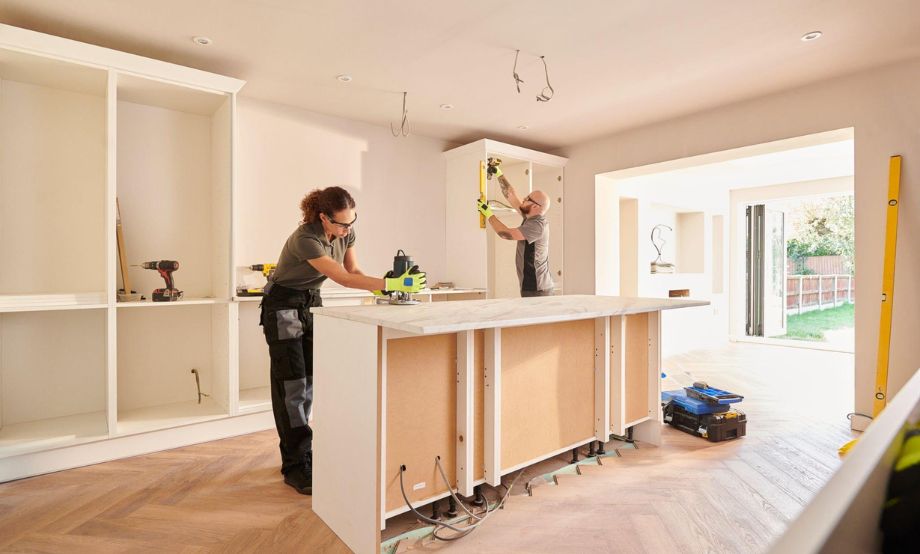
Remodeling is one of the most effective ways to improve your home’s functionality, comfort, and value. Whether you are updating a single room or undertaking a full renovation, remodeling allows you to adapt your space to better fit your lifestyle. A well-planned project can enhance daily living while also increasing long-term property appeal.
This guide provides a clear and practical approach to remodeling, covering planning, budgeting, design choices, and execution strategies.
What Is Remodeling
Remodeling involves altering the structure, layout, or appearance of a space to improve its usability or aesthetic. It differs from simple repairs or cosmetic updates because it often includes structural changes, new layouts, or upgraded systems.
Examples of remodeling projects include:
- Expanding a kitchen or bathroom
- Reconfiguring room layouts
- Upgrading flooring, cabinets, and fixtures
- Adding new features such as islands or storage systems
Remodeling is both a design and construction process that requires careful planning and coordination.
Benefits of Remodeling
Remodeling offers a range of advantages for homeowners.
- Improved functionality by optimizing layout and storage
- Enhanced comfort through better lighting, ventilation, and materials
- Increased property value with modern upgrades
- Energy efficiency by replacing outdated systems and appliances
- Personalization to reflect your lifestyle and preferences
A successful remodel balances these benefits while staying within budget and timeline.
Types of Remodeling Projects
Kitchen Remodeling
Kitchen remodeling focuses on improving workflow, storage, and design.
Common upgrades:
- New cabinets and countertops
- Updated appliances
- Improved lighting
- Layout changes for better efficiency
The kitchen is often the most valuable space to remodel due to its impact on daily use and resale value.
Bathroom Remodeling
Bathroom remodeling enhances comfort and functionality.
Popular improvements:
- Walk-in showers
- Updated vanities and fixtures
- Better lighting and ventilation
- Water-efficient fixtures
A well-designed bathroom combines practicality with a clean, modern look.
Living Room Remodeling
Living room remodeling focuses on comfort and aesthetics.
Key changes:
- Updated flooring and wall finishes
- Improved lighting
- Furniture layout optimization
- Integration with other spaces
This area should feel inviting and adaptable for various activities.
Whole Home Remodeling
Whole home remodeling involves updating multiple areas simultaneously.
Advantages:
- Consistent design throughout the home
- Improved overall functionality
- Opportunity to upgrade systems like plumbing and electrical
This approach requires detailed planning but delivers comprehensive results.
Planning Your Remodeling Project
Define Your Goals
Start by identifying what you want to achieve.
- Do you need more space
- Are you improving functionality
- Are you updating outdated features
Clear goals guide every decision in the process.
Set a Realistic Budget
Budgeting is a critical step in remodeling.
- Determine how much you can afford
- Include costs for materials, labor, and permits
- Set aside a contingency fund for unexpected expenses
Staying within budget requires careful planning and prioritization.
Create a Timeline
Remodeling projects can take weeks or months.
- Plan each phase of the project
- Account for delays
- Coordinate with contractors and suppliers
A realistic timeline helps manage expectations.
Choosing Materials and Finishes
Materials play a key role in both durability and appearance.
- Flooring: Choose options like hardwood, tile, or vinyl based on usage
- Countertops: Select durable materials such as quartz or granite
- Cabinets: Focus on quality construction and finish
- Fixtures: Opt for reliable and efficient options
Balancing cost, durability, and style ensures long-lasting results.
Hiring Professionals vs DIY
Hiring Professionals
Working with professionals offers several benefits.
- Expertise in design and construction
- Compliance with building codes
- Efficient project management
This is recommended for complex or large-scale projects.
DIY Remodeling
DIY projects can save money but require skill and time.
- Suitable for small updates like painting or minor installations
- Requires proper tools and knowledge
- Mistakes can lead to additional costs
Choose the approach that matches your experience and project scope.
Key Design Considerations
Functionality
Every design choice should improve usability.
- Ensure easy movement within the space
- Optimize storage solutions
- Plan for daily activities
Lighting
Lighting affects both function and mood.
- Use layered lighting for flexibility
- Incorporate natural light where possible
- Add task lighting for work areas
Storage
Efficient storage keeps spaces organized.
- Use built-in cabinets
- Add shelves and drawers
- Maximize vertical space
Flow and Layout
A good layout connects spaces seamlessly.
- Avoid overcrowding
- Maintain clear pathways
- Ensure consistency in design
Common Remodeling Mistakes to Avoid
Avoiding common mistakes can save time and money.
- Underestimating costs
- Ignoring proper planning
- Choosing style over function
- Hiring unqualified contractors
- Overlooking storage needs
Careful preparation reduces the risk of these issues.
Tips for a Successful Remodeling Project
- Start with a clear plan and priorities
- Research materials and design options
- Communicate effectively with contractors
- Monitor progress regularly
- Stay flexible to adapt to changes
A proactive approach ensures smoother execution.
Trends in Modern Remodeling
Remodeling trends continue to evolve with lifestyle changes.
- Open concept layouts
- Energy-efficient upgrades
- Smart home integration
- Natural materials and neutral tones
- Multi-functional spaces
These trends focus on comfort, efficiency, and adaptability.
Conclusion
Remodeling is an investment in both your home and your quality of life. By carefully planning your project, choosing the right materials, and focusing on functionality, you can create a space that meets your needs and reflects your style.
Whether you are updating a single room or transforming your entire home, a thoughtful approach ensures lasting results.
FAQ Section
1. What is the difference between remodeling and renovation
Remodeling involves changing the structure or layout, while renovation focuses on updating existing features.
2. How long does a typical remodeling project take
The timeline varies depending on the scope, but most projects take several weeks to a few months.
3. How do I set a realistic remodeling budget
Consider material costs, labor, permits, and include extra funds for unexpected expenses.
4. Do I need permits for remodeling
Many remodeling projects require permits, especially those involving structural or electrical changes.
5. What adds the most value in remodeling
Kitchen and bathroom upgrades typically provide the highest return on investment.
6. Can I live in my home during remodeling
It depends on the project. Smaller projects may allow it, but large renovations can disrupt daily living.
7. How do I choose the right contractor
Look for experience, references, proper licensing, and clear communication before hiring.
