

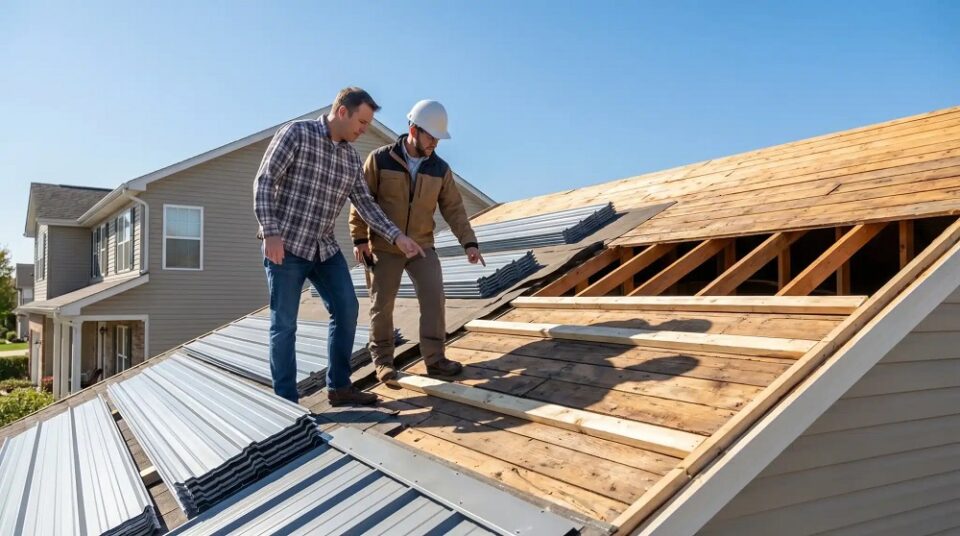
Planning a roofing project requires careful preparation, clear decision making, and attention to detail. Whether you are replacing an aging roof or installing a new one, a structured approach helps avoid costly mistakes and ensures long lasting results. Roofing is a major investment, and proper planning allows you to balance budget, durability, and performance.
This step by step guide walks you through the entire process, from initial assessment to final inspection.
Assess the Current Roof Condition
Before starting any project, evaluate the condition of your existing roof.
- Look for visible damage such as missing shingles or cracks
- Check for leaks or water stains inside the home
- Inspect gutters for debris or granule buildup
- Note any sagging areas or structural concerns
If you are unsure, hiring a professional inspection is a smart first step. A clear understanding of the roof’s condition helps determine whether repair or full replacement is needed.
Define Your Project Goals
Establish what you want to achieve with your roofing project.
- Replace an old or damaged roof
- Improve energy efficiency
- Upgrade the appearance of your home
- Increase property value
Clear goals guide your decisions on materials, design, and budget.
Set a Realistic Budget
Budgeting is essential for keeping your project on track.
- Estimate costs for materials, labor, and permits
- Include disposal of old roofing materials
- Set aside extra funds for unexpected issues
Roofing costs can vary depending on size, material, and complexity, so planning ahead prevents financial surprises.
Choose the Right Roofing Material
Selecting the right material is one of the most important decisions.
Common options include:
- Asphalt shingles for affordability
- Metal roofing for durability and energy efficiency
- Tile roofing for long lifespan and style
- Wood shingles for a natural appearance
Consider climate, maintenance, lifespan, and aesthetics when making your choice.
Hire a Qualified Roofing Contractor
Choosing the right contractor is critical to project success.
- Verify licenses and insurance
- Check experience and previous work
- Read reviews and request references
- Get multiple quotes for comparison
A reliable contractor ensures proper installation and compliance with local building codes.
Obtain Necessary Permits
Many roofing projects require permits.
- Check local regulations and requirements
- Ensure all paperwork is completed before work begins
- Confirm inspections are scheduled if needed
Skipping permits can lead to fines or complications when selling your home.
Plan the Timeline
A clear timeline helps manage expectations.
- Coordinate with your contractor on start and end dates
- Consider weather conditions that may affect progress
- Allow extra time for delays
Most roofing projects take a few days to a week, depending on size and complexity.
Prepare Your Home
Preparing your home ensures a smooth process.
- Remove or secure outdoor furniture
- Protect landscaping around the house
- Clear attic spaces if necessary
- Inform neighbors about potential noise
Proper preparation minimizes disruptions and protects your property.
Understand the Installation Process
Knowing what to expect during installation helps you stay informed.
Typical steps include:
- Removing old roofing materials
- Inspecting and repairing the roof deck
- Installing underlayment for protection
- Applying new roofing material
- Sealing and finishing details
A professional contractor will ensure each step is completed correctly.
Monitor Progress
Stay involved throughout the project.
- Communicate regularly with the contractor
- Check that work aligns with the agreed plan
- Address any concerns promptly
Active involvement helps ensure quality and prevents misunderstandings.
Conduct a Final Inspection
Once the project is complete, inspect the work carefully.
- Check for proper installation and finishing
- Ensure all debris is removed
- Confirm that gutters and drainage systems are clear
- Review warranties and documentation
A thorough inspection ensures the project meets expectations.
Plan for Maintenance
A new roof still requires regular care.
- Schedule annual inspections
- Clean gutters regularly
- Address minor issues before they become major problems
Routine maintenance extends the life of your roof and protects your investment.
Common Challenges in Roofing Projects
Even with proper planning, challenges can arise.
- Unexpected structural damage
- Weather delays
- Material shortages
- Budget overruns
Being prepared and flexible helps you handle these situations effectively.
Tips for a Successful Roofing Project
- Start with a detailed plan and clear goals
- Choose materials suited to your climate
- Work with experienced professionals
- Maintain open communication throughout the project
- Prioritize quality over cost
Following these tips increases the likelihood of a smooth and successful outcome.
Conclusion
Planning a roofing project step by step ensures that every aspect is handled efficiently and effectively. From assessing your current roof to selecting materials and hiring the right contractor, each step plays a vital role in achieving a durable and reliable result.
With careful preparation and attention to detail, you can complete your roofing project with confidence and enjoy long lasting protection for your home.
FAQ Section
1 How do I know if I need a roof replacement or repair
If damage is widespread or the roof is nearing the end of its lifespan, replacement is often the better option.
2 What time of year is best for a roofing project
Mild weather conditions, typically in spring or fall, are ideal for roofing work.
3 How long does a roofing project usually take
Most residential projects take a few days to a week, depending on size and complexity.
4 Can I stay in my home during the roofing project
Yes, but expect noise and some disruption during installation.
5 What should I look for in a roofing warranty
Check coverage for materials and workmanship, along with the duration of the warranty.
6 How can I reduce roofing project costs
Compare quotes, choose cost effective materials, and plan ahead to avoid unexpected expenses.
7 What happens if bad weather occurs during installation
Contractors typically pause work and protect the roof until conditions improve.
