

Introduction
Bathrooms are no longer purely functional spaces. They are evolving into personalized wellness hubs that combine comfort, efficiency, and technology. At the center of this transformation is the smart mirror, a device that merges reflective surfaces with digital intelligence. Once considered a luxury novelty, smart mirrors are steadily becoming a practical addition to modern homes.
From displaying real-time information to supporting health monitoring and home automation, smart mirrors are redefining how people interact with their bathroom environment. This article explores how smart mirrors work, their features, benefits, and their growing importance in future bathroom design.
What Is a Smart Mirror
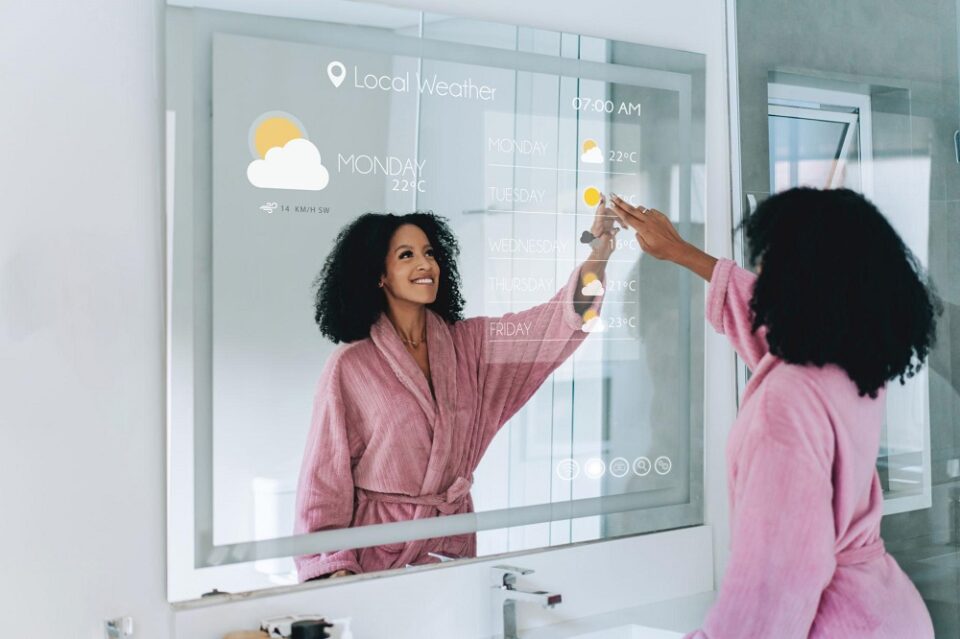
A smart mirror is a two-way mirror integrated with a digital display and connected technology. Behind the reflective surface lies a screen that can show information such as time, weather, news, or personal data. These mirrors often include touch controls, voice assistants, and internet connectivity.
Unlike traditional mirrors, smart mirrors serve both reflective and interactive functions. They are designed to blend seamlessly into bathroom interiors while offering advanced capabilities.
Core Features of Smart Mirrors
Interactive Displays
Smart mirrors can present a variety of information directly on the surface. This includes:
- Weather updates
- Calendar reminders
- News headlines
- Traffic conditions
- Daily schedules
This feature allows users to stay informed while performing routine tasks such as brushing teeth or getting ready.
Voice Control Integration
Many smart mirrors are compatible with voice assistants. This allows hands-free operation, which is particularly useful in bathroom settings.
Users can:
- Adjust lighting
- Play music
- Set reminders
- Control other smart home devices
LED Lighting and Customization
Smart mirrors often include built-in LED lighting that can be adjusted for brightness and color temperature. This is especially beneficial for grooming tasks like shaving or applying makeup.
Some models offer:
- Warm and cool light settings
- Dimmable brightness levels
- Automatic light adjustment based on time of day
Anti-Fog Technology
Fogging is a common issue in bathrooms, especially after hot showers. Smart mirrors often include anti-fog features that maintain a clear surface without manual wiping.
Touchscreen Functionality
Touch-enabled mirrors allow users to navigate features easily. This includes accessing apps, adjusting settings, or switching between display modes.
Health and Wellness Integration
One of the most promising aspects of smart mirrors is their ability to support personal health and wellness.
Skin Analysis
Advanced smart mirrors use sensors and cameras to analyze skin condition. They can provide insights into:
- Hydration levels
- Wrinkles and fine lines
- Pore size
- Skin tone consistency
This feature helps users tailor their skincare routines more effectively.
Fitness Tracking
Some smart mirrors integrate with fitness apps or wearable devices. They can display:
- Heart rate data
- Workout summaries
- Calorie tracking
In some cases, mirrors can even guide users through exercise routines.
Posture Monitoring
Certain models are equipped with motion sensors that can detect posture alignment. This can be useful for improving daily habits and reducing strain.
Smart Mirrors and Home Automation
Smart mirrors are increasingly becoming part of larger smart home ecosystems. Their integration allows for centralized control and automation.
Connected Devices
Smart mirrors can sync with other devices such as:
- Smart lighting systems
- Thermostats
- Security cameras
- Music systems
This enables users to manage multiple aspects of their home from a single interface.
Personalized User Profiles
In households with multiple users, smart mirrors can recognize individuals and display personalized information. This may include:
- Custom schedules
- Preferred lighting settings
- Health data
Routine Automation
Users can create routines that trigger multiple actions. For example:
- Morning routine: turn on lights, display weather, play news
- Evening routine: dim lights, show reminders, play calming music
Design and Aesthetic Impact
Smart mirrors are not just functional devices; they also enhance bathroom aesthetics.
Minimalist Integration
These mirrors are designed to blend into modern interiors. When not in use, they appear like standard mirrors, maintaining a clean and uncluttered look.
Space Efficiency
Smart mirrors eliminate the need for separate devices such as clocks or screens. This is particularly valuable in smaller bathrooms where space is limited.
Custom Shapes and Sizes
Manufacturers offer a range of designs, including:
- Frameless mirrors
- Backlit mirrors
- Round, oval, and rectangular shapes
This allows homeowners to match the mirror with their overall design theme.
Energy Efficiency and Sustainability
Smart mirrors contribute to energy efficiency in several ways.
LED Lighting
LED lights consume less energy compared to traditional bulbs and have a longer lifespan.
Motion Sensors
Some mirrors include motion detection, turning the display on only when someone is present.
Reduced Device Usage
By combining multiple functions into one device, smart mirrors reduce the need for additional electronics, lowering overall energy consumption.
Challenges and Considerations
While smart mirrors offer many benefits, there are also factors to consider before installation.
Cost
Smart mirrors are generally more expensive than traditional mirrors. Prices vary based on features and brand.
Installation Requirements
Some models require professional installation, especially those connected to electrical systems or home networks.
Privacy Concerns
Since smart mirrors may include cameras and connectivity, data privacy is an important consideration. Users should ensure:
- Secure network connections
- Trusted manufacturers
- Clear privacy policies
Maintenance
Although designed for durability, smart mirrors may require occasional software updates or technical support.
Future Trends in Smart Mirror Technology
The evolution of smart mirrors is ongoing, with several trends shaping their future.
Artificial Intelligence Integration
AI will enable smarter personalization, allowing mirrors to learn user habits and provide tailored recommendations.
Augmented Reality Features
Future mirrors may include AR capabilities, allowing users to:
- Try virtual makeup
- Preview hairstyles
- Visualize accessories
Advanced Health Monitoring
Sensors may become more sophisticated, offering deeper insights into health metrics such as:
- Blood pressure
- Stress levels
- Sleep patterns
Seamless Ecosystem Integration
Smart mirrors will likely become central hubs in connected homes, integrating more seamlessly with other smart devices.
Conclusion
Smart mirrors are transforming bathrooms into intelligent, responsive environments. By combining functionality with innovation, they offer a glimpse into the future of home design. As technology continues to evolve, these mirrors will become more accessible, more advanced, and more integral to daily routines.
Whether for convenience, wellness, or aesthetics, smart mirrors represent a significant step forward in how we interact with our living spaces.
FAQ Section
What makes a mirror “smart” compared to a regular mirror
A smart mirror includes digital features such as displays, connectivity, and interactive controls, unlike traditional mirrors that only reflect.
Can smart mirrors work without internet access
Yes, basic functions like lighting and reflection work without internet, but features like weather updates and voice control require connectivity.
Are smart mirrors safe to use in humid environments
Yes, they are specifically designed for bathroom use and often include waterproofing and anti-fog features.
Do smart mirrors consume a lot of electricity
No, most smart mirrors use energy-efficient components like LED lighting and low-power displays.
Can smart mirrors be installed in existing bathrooms
Yes, many models are designed for easy retrofitting, though some may require electrical adjustments.
How long do smart mirrors typically last
With proper care, smart mirrors can last several years, similar to other electronic devices.
Are smart mirrors compatible with all smart home systems
Compatibility depends on the model, but many support major smart home platforms and voice assistants.
