

Introduction
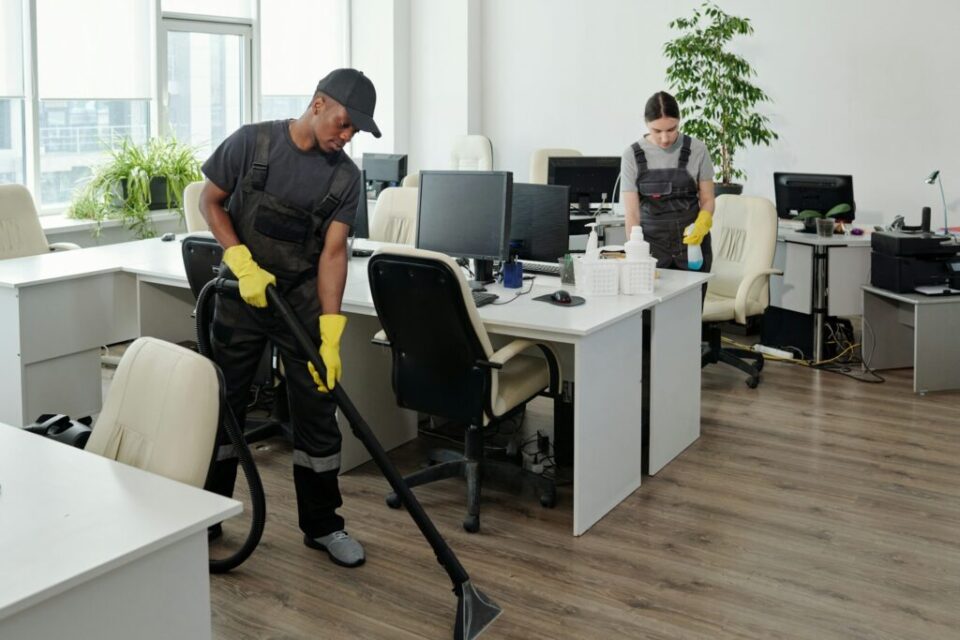
High-traffic commercial spaces present a unique set of cleaning challenges. Areas such as office lobbies, retail stores, airports, hospitals, and educational facilities experience constant movement, which leads to rapid accumulation of dirt, debris, and contaminants. Standard cleaning routines are often insufficient in these environments. Instead, precision cleaning strategies are required to maintain cleanliness, ensure safety, and extend the lifespan of surfaces and materials.
Precision cleaning focuses on targeted, efficient, and methodical approaches tailored to the specific demands of high-use areas. This article explores the key principles, tools, and techniques required to achieve consistent results in busy commercial environments.
Understanding High-Traffic Zones
Not all areas within a commercial space experience the same level of use. Identifying and categorizing high-traffic zones is the first step toward effective cleaning.
Common High-Traffic Areas
- Entryways and exits
- Hallways and corridors
- Elevators and escalators
- Restrooms
- Reception and waiting areas
- Break rooms and shared spaces
These zones require more frequent attention due to constant footfall and higher exposure to contaminants.
Impact of Traffic on Surfaces
Heavy usage leads to:
- Accelerated wear and tear
- Increased buildup of dirt and grime
- Higher risk of slips and falls
- Greater potential for bacterial and viral spread
Understanding these impacts helps in designing cleaning strategies that are both proactive and preventive.
Core Principles of Precision Cleaning
Precision cleaning is not about cleaning more often, but cleaning smarter. It involves using the right methods, tools, and schedules for each specific area.
Targeted Cleaning
Rather than applying uniform cleaning across all areas, precision cleaning focuses on high-risk zones with customized methods.
Data-Driven Scheduling
Cleaning schedules should be based on usage patterns rather than fixed intervals. For example, restrooms in a busy mall may require hourly cleaning, while office corridors may need less frequent attention.
Surface-Specific Techniques
Different materials require different cleaning approaches. For instance:
- Carpeted areas need deep extraction methods
- Hard floors benefit from machine scrubbing
- Glass surfaces require streak-free solutions
Continuous Monitoring
Regular inspections ensure that cleaning standards are maintained and adjusted as needed.
Advanced Cleaning Techniques
Zoned Cleaning Systems
Dividing spaces into zones allows cleaning teams to focus on specific areas without overlap or missed spots. Each zone can have:
- Assigned personnel
- Customized cleaning schedules
- Specific tools and products
This approach improves accountability and efficiency.
Daytime Cleaning Programs
In high-traffic environments, cleaning during operational hours is often necessary. Daytime cleaning helps:
- Address spills and messes immediately
- Maintain a consistent appearance
- Reduce the need for intensive after-hours cleaning
Touchpoint Disinfection
High-touch surfaces are critical points for contamination. These include:
- Door handles
- Elevator buttons
- Handrails
- Countertops
Frequent disinfection of these surfaces is essential for hygiene and safety.
Microfiber Cleaning Systems
Microfiber materials are highly effective at capturing dust and bacteria. They:
- Require less chemical usage
- Improve cleaning efficiency
- Reduce cross-contamination
Color-coded microfiber systems can further enhance hygiene by assigning specific cloths to different areas.
Equipment and Tools for Precision Cleaning
Floor Cleaning Machines
For large commercial spaces, manual cleaning is not practical. Machines such as:
- Auto scrubbers
- Burnishers
- Carpet extractors
help maintain floors efficiently and consistently.
High-Efficiency Vacuum Systems
Vacuum cleaners with advanced filtration systems are essential for removing fine particles and allergens from carpets and upholstery.
Electrostatic Sprayers
These devices apply disinfectants evenly across surfaces, ensuring thorough coverage even in hard-to-reach areas.
Smart Cleaning Technologies
Modern cleaning equipment often includes sensors and automation features that:
- Monitor usage levels
- Track cleaning performance
- Optimize resource allocation
Cleaning Products and Chemical Management
Choosing the right cleaning products is critical for both effectiveness and safety.
pH-Appropriate Solutions
Using the correct pH level for different surfaces prevents damage and ensures optimal cleaning results.
Low-Toxicity Formulations
Environmentally friendly products reduce health risks for both cleaning staff and occupants.
Proper Dilution and Usage
Overuse of chemicals can lead to residue buildup and increased costs. Precision cleaning emphasizes:
- Accurate dilution ratios
- Controlled application methods
Staff Training and Standardization
Even the best tools and products are ineffective without skilled personnel.
Training Programs
Cleaning staff should be trained in:
- Equipment operation
- Safety protocols
- Surface-specific techniques
- Time management
Standard Operating Procedures
Clear guidelines ensure consistency across all cleaning tasks. These procedures should include:
- Step-by-step instructions
- Quality benchmarks
- Reporting protocols
Performance Evaluation
Regular assessments help identify areas for improvement and maintain high standards.
Hygiene and Health Considerations
High-traffic spaces are more prone to the spread of germs and allergens. Precision cleaning plays a key role in maintaining a healthy environment.
Infection Control
In environments such as hospitals and clinics, strict cleaning protocols are essential to prevent the spread of infections.
Indoor Air Quality
Dust and airborne particles can affect air quality. Effective cleaning reduces these pollutants, contributing to a healthier indoor environment.
Waste Management
Proper disposal of waste, including hazardous materials, is an important aspect of commercial cleaning.
Cost Efficiency and Resource Management
Precision cleaning is not only about cleanliness but also about optimizing resources.
Reducing Waste
Efficient use of cleaning materials and products minimizes waste and lowers costs.
Extending Asset Lifespan
Regular and proper cleaning helps preserve flooring, furniture, and fixtures, reducing the need for replacements.
Labor Optimization
Structured workflows and smart scheduling improve productivity and reduce labor costs.
Sustainability in Commercial Cleaning
Sustainability is becoming a priority in commercial operations.
Water Conservation
Using equipment that minimizes water usage helps reduce environmental impact.
Energy-Efficient Equipment
Modern machines are designed to consume less energy while maintaining performance.
Green Certifications
Adopting sustainable cleaning practices can contribute to certifications and improve brand reputation.
Future Trends in Precision Cleaning
The cleaning industry continues to evolve with advancements in technology and changing expectations.
Automation and Robotics
Robotic cleaners are increasingly being used in large commercial spaces to handle routine tasks.
Data Analytics
Cleaning operations are becoming more data-driven, allowing for better planning and performance tracking.
Enhanced Disinfection Technologies
New methods, such as UV-based systems, are being explored for more effective sanitation.
Conclusion
Precision cleaning strategies are essential for maintaining high standards in high-traffic commercial spaces. By focusing on targeted methods, advanced tools, and skilled personnel, organizations can achieve consistent cleanliness while optimizing resources. As technology continues to advance, these strategies will become even more refined, making commercial environments safer, healthier, and more efficient.
FAQ Section
What is the difference between regular cleaning and precision cleaning
Regular cleaning follows a general routine, while precision cleaning uses targeted methods based on specific needs and usage patterns.
How often should high-traffic areas be cleaned
The frequency depends on the level of use, but many high-traffic zones require multiple cleanings throughout the day.
Are robotic cleaners suitable for all commercial spaces
Robotic cleaners are effective for large open areas but may not replace manual cleaning in detailed or confined spaces.
What role does technology play in modern cleaning strategies
Technology helps improve efficiency, monitor performance, and ensure consistent results through automation and data tracking.
Can precision cleaning reduce long-term maintenance costs
Yes, proper cleaning extends the lifespan of surfaces and reduces the need for repairs and replacements.
How can businesses ensure consistent cleaning quality
By implementing standard procedures, training staff, and conducting regular inspections.
Is eco-friendly cleaning effective in high-traffic environments
Yes, modern eco-friendly products are designed to perform well while reducing environmental impact.
