

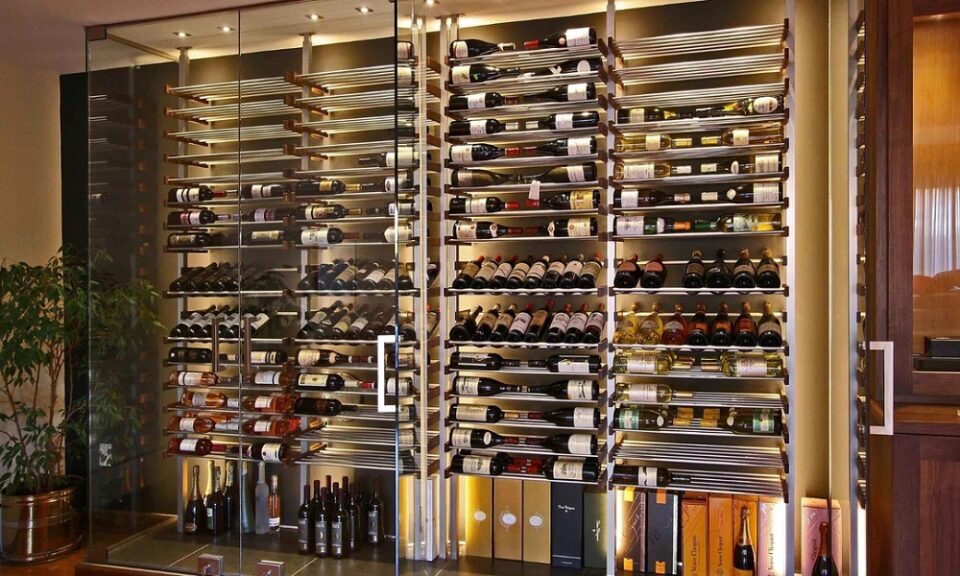
A display wall should feel easy to shop the moment people walk in
A strong wine display does one thing very well. It makes the room feel clear at first glance. People should not have to guess where to look, and staff should not have to explain the layout every few minutes. That is why many shop owners now look at commercial wine displays by Millesime when they want a setup that feels polished, practical, and ready for daily use. The right display can turn a plain wall or floor area into a space that feels calm, well planned, and easy to shop. It can also help a store feel more open, which matters when customers are moving through the space with baskets, carts, or just a quick plan to browse.
This guide looks at the parts that make a display useful, not just pretty. We will cover how layout affects customer flow, why spacing changes the whole feel of a room, and what helps a display stay strong in a busy commercial setting. We will also look at small choices that often get missed, like reach, product grouping, and how the display sits in the room. Those details may sound simple, but they shape how long people stay, what they notice first, and how easy it is for staff to keep everything neat. A good display does not fight the room. It works with it. That is the part many shops need most.
When the setup is right, the whole space feels more relaxed. Customers can scan the shelves without effort. Staff can restock without bumping into narrow corners. The store also feels more finished, which helps build trust in the brand. In a retail space, that kind of quiet order is worth a lot.
How layout choices make a wine display easier to shop
Layout is usually the first thing people feel, even if they do not say it out loud. If a display is too tight, shoppers move faster and miss more. If it is too open, the room can feel empty and less focused. A good layout sits in the middle. It gives the eye a place to land and gives the feet enough room to keep moving. That balance is what makes a display easier to shop and easier to maintain.
Start with the path. Shoppers should move naturally from one section to the next without backtracking. Popular bottles should sit where people can see them fast. Higher value bottles may need a more careful position, but they still should feel easy to browse. The display should also leave room for staff to restock without turning the whole aisle into a work zone.
- Keep main paths wide enough for steady traffic.
- Place high-interest bottles at easy sight lines.
- Group products by style, price, or purpose.
- Leave space for restocking and cleaning.
- Use the wall and floor space with intent.
A clear layout also helps people make decisions faster. When the display feels organized, customers spend less time searching and more time choosing. That can improve the whole store experience. It also makes the display feel less crowded, even when the inventory is full.
What makes a retail wine display feel polished and useful
A polished display is not just about looks. It should feel sturdy, clean, and easy to work with every day. In a commercial space, that matters because the display gets touched, restocked, and seen from many angles. If the design feels flimsy or cluttered, the room loses some of its strength. A better display holds its shape and still feels good to look at after a busy day.
Material choice plays a role here. So does finish, spacing, and the way bottles sit on the rack. A display that gives each bottle room to stand out can make the whole wall feel more premium. It also helps the store present a cleaner story to shoppers. That story matters because people often judge the quality of a shop by how its products are shown.
- Choose a finish that matches the room.
- Keep bottle rows neat and easy to scan.
- Avoid crowding the display with too many extras.
- Make sure the structure looks good from all angles.
- Pick a layout that supports easy restocking.
The best displays do not try too hard. They stay simple, clear, and strong. That mix helps the space feel trustworthy and well run. It also makes the display easier to update when the product mix changes, which happens more often than people expect.
Why smart display planning helps staff and shoppers alike
Good planning helps both sides of the counter. Shoppers get a smoother visit. Staff get a layout that is easier to manage. That may sound basic, but basic is often where the real gains live. A well-planned wine display cuts down on confusion. It also reduces small daily problems, like blocked paths, awkward refills, or bottles that are hard to reach.
Planning should begin with the store’s actual habits. How often do products change? Where do people stop first? Which bottles need the most attention? Once those answers are clear, the display can support the store instead of slowing it down. That is the key. The best commercial setup is one that stays useful when the pace picks up.
- Plan around real traffic patterns.
- Keep staff access simple and direct.
- Make product changes easy to manage.
- Leave room for seasonal updates.
- Build the display around daily use.
A good layout keeps working after the first day. That is what makes it worth the effort. It keeps the space calm, helps the staff stay organized, and gives shoppers a better path through the room.
What a stronger display can do for the whole store
A wine display does more than hold bottles. It shapes the feel of the store, the flow of the room, and the way people move through the selection. When the display is clear, sturdy, and easy to shop, the whole space feels more confident. That can change how customers experience the store from the first step to the last.
We believe the best displays support both style and use. They help products stand out without making the room feel busy. They also help staff work faster without losing order. That is a strong mix, and it is why better planning always pays off. If you are shaping a new retail layout or reworking an old one, start with the display first. The rest of the room will make more sense after that.
