

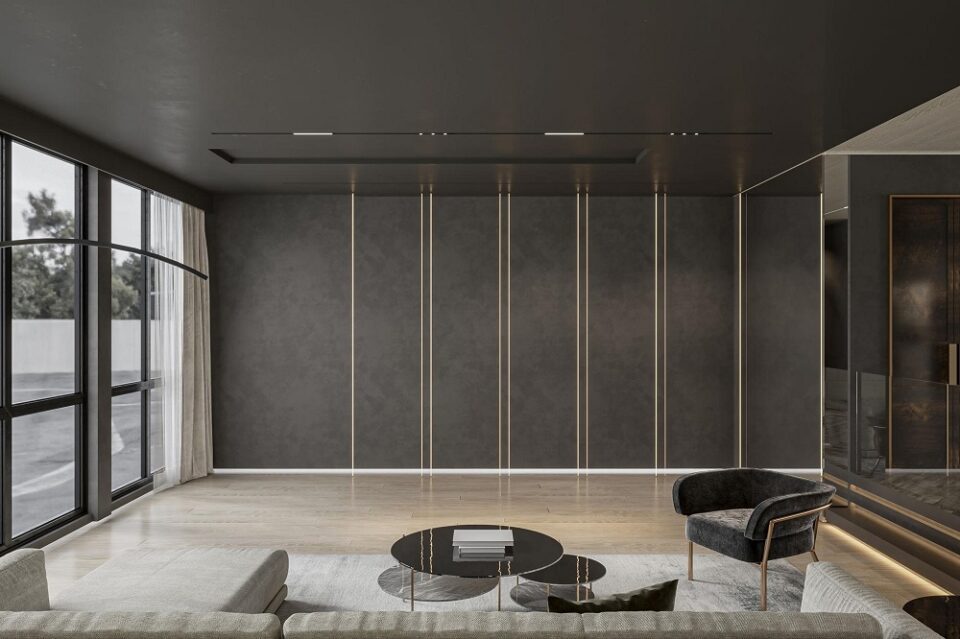
Introduction
Decorating a home is not simply about filling a space with furniture and accessories. It is about shaping an environment that reflects personality, supports daily living, and creates a sense of comfort and visual harmony. Thoughtful decor choices can transform even the most ordinary room into a space that feels intentional and refined.
Modern decor goes beyond trends. It focuses on balance, proportion, texture, and functionality. Whether you are redesigning an entire home or refreshing a single room, applying the right strategies can significantly improve both aesthetics and usability.
This guide explores practical decor tips that help create cohesive, stylish, and livable interiors without unnecessary complexity.
Understanding the Foundation of Good Decor
Before choosing colors or furniture, it is important to understand the underlying principles that shape successful interiors.
Balance and Proportion
Every room needs visual balance. This does not mean everything must match, but elements should feel evenly distributed.
- Large furniture pieces should be balanced with smaller accents
- Visual weight should be spread across the room
- Avoid clustering all heavy elements on one side
Proportion is equally important. Oversized furniture in a small room can feel overwhelming, while undersized pieces in a large space can look disconnected.
Function Before Aesthetics
A well-decorated space must serve its purpose first. For example:
- Living rooms should encourage conversation and comfort
- Bedrooms should promote relaxation
- Workspaces should support focus and productivity
Decor should enhance functionality, not interfere with it.
Choosing a Cohesive Color Palette
Color is one of the most powerful tools in interior decor. A well-planned palette creates unity and sets the tone of the space.
Limit the Palette
Using too many colors can make a room feel chaotic. A controlled palette works better:
- One dominant color
- One or two complementary tones
- A few accent shades
Neutral bases such as beige, gray, or white allow flexibility and longevity.
Use Contrast Intentionally
Contrast adds depth and interest. This can be achieved by:
- Pairing light walls with dark furniture
- Combining matte and glossy finishes
- Introducing bold accents in subtle spaces
The goal is to create visual tension without overwhelming the room.
Layering Textures for Depth
Texture is often overlooked, yet it plays a crucial role in making a space feel complete.
Mixing Materials
Combining different materials adds richness and dimension:
- Wood for warmth
- Metal for structure
- Glass for lightness
- Fabric for softness
A room that uses only one material tends to feel flat.
Soft Furnishings
Textiles can transform the atmosphere of a space:
- Rugs define areas and add comfort
- Cushions introduce color and pattern
- Curtains soften natural light
Layering these elements creates a more inviting environment.
Furniture Placement and Spatial Flow
The way furniture is arranged affects both the look and usability of a room.
Create Clear Pathways
Movement should feel natural and unobstructed:
- Leave enough space between furniture pieces
- Avoid blocking entry points
- Ensure easy access to key areas
Define Zones
In open spaces, furniture can be used to create functional zones:
- Seating areas for relaxation
- Dining areas for meals
- Work corners for productivity
This helps maintain structure without using physical barriers.
Lighting as a Design Element
Lighting is not just practical. It shapes the mood and perception of a space.
Layered Lighting Approach
A well-lit room combines multiple types of lighting:
- Ambient lighting for overall illumination
- Task lighting for specific activities
- Accent lighting to highlight features
Using only one light source often results in a flat and uninviting atmosphere.
Statement Fixtures
Lighting fixtures can act as focal points. A well-chosen pendant or floor lamp can elevate the entire room.
The Role of Statement Pieces
Every room benefits from a focal point that draws attention.
Choosing the Right Feature
A statement piece could be:
- A bold artwork
- A unique piece of furniture
- A striking light fixture
The key is to let it stand out without competing elements.
Avoid Overcrowding
Too many statement pieces can create visual clutter. One or two strong elements are usually enough.
Styling Surfaces with Intention
Flat surfaces such as tables, shelves, and countertops offer opportunities for creative expression.
The Rule of Grouping
Arranging items in groups creates a more natural look:
- Use odd numbers such as three or five
- Vary heights and shapes
- Combine functional and decorative items
Keep It Purposeful
Avoid placing items without intention. Every object should contribute to the overall design.
Incorporating Natural Elements
Nature brings balance and freshness into interior spaces.
Plants and Greenery
Indoor plants add life and improve the atmosphere:
- Large plants for corners
- Small plants for shelves and tables
- Hanging plants for vertical interest
Natural Materials
Materials like stone, wood, and linen create a grounded and organic feel.
Personalization Without Clutter
A home should reflect the people who live in it, but personalization must be controlled.
Curated Decor
Instead of displaying everything, select meaningful pieces:
- Personal photographs
- Travel souvenirs
- Handmade items
Rotating Accessories
Changing decor periodically keeps the space fresh without requiring a complete redesign.
Maintaining Visual Simplicity
Simplicity does not mean emptiness. It means clarity and intention.
Declutter Regularly
Too many items can overwhelm a space. Keep only what is necessary and meaningful.
Focus on Quality Over Quantity
Investing in fewer, well-designed pieces often results in a more refined look than filling a space with inexpensive items.
Adapting Decor Over Time
Decor is not static. It should evolve with changing needs and preferences.
Seasonal Adjustments
Small changes can reflect seasonal shifts:
- Lighter fabrics in warmer months
- Warmer tones in cooler seasons
Flexible Design
Choose elements that can adapt over time rather than committing to overly specific trends.
Conclusion
Decorating a home is a continuous process that combines creativity with practical decision-making. By focusing on balance, texture, lighting, and thoughtful placement, it is possible to create spaces that feel both stylish and functional.
The most successful interiors are those that reflect personal taste while maintaining clarity and cohesion. With the right approach, even simple adjustments can have a lasting impact on how a space looks and feels.
FAQ Section
How can I refresh my decor without replacing furniture
You can update textiles, rearrange furniture, change lighting, and add new accessories to create a fresh look.
What is the best way to mix different decor styles
Focus on a unifying element such as color or material to create harmony between contrasting styles.
How do I make a small room feel larger through decor
Use light colors, mirrors, and minimal furniture to create a sense of openness.
Can decor influence mood and productivity
Yes, elements like color, lighting, and layout can significantly affect how a space feels and functions.
How often should I update my home decor
There is no fixed rule, but small updates every season and larger changes every few years work well.
What are common mistakes in home decor
Overcrowding, poor lighting, lack of cohesion, and ignoring functionality are common issues.
Is it necessary to follow design trends
No, personal preference and practicality should guide decor decisions more than trends.
