

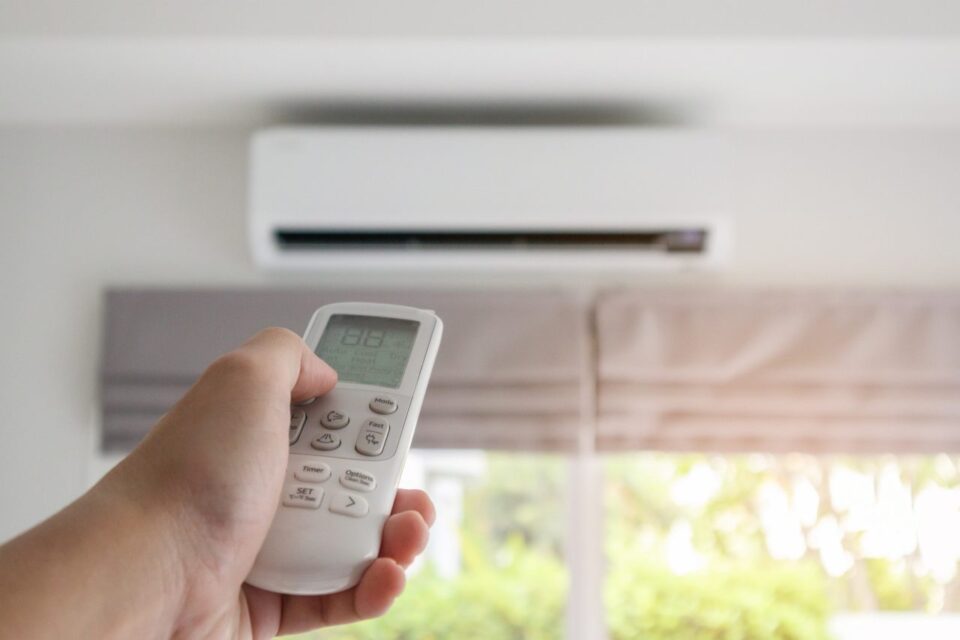
You notice it first on a warm Mandurah afternoon. The air con is on, the fan is running, but the room still feels stuffy. Maybe the bedrooms are warmer than usual at night, or the living area takes ages to cool down. When that happens, it is tempting to assume the system has “had it”, but many cooling issues come from simple airflow problems, settings changes, or outdoor unit conditions that can be fixed quickly.
If you are dealing with cooling problems and you have been searching for Air conditioning mandurah support, it helps to run a sensible checklist first. You might solve the issue in ten minutes, and if not, you will be able to describe the symptoms clearly when you do call a technician. That saves time, avoids guesswork, and can reduce the chance of paying for an unnecessary callout.
This guide focuses on practical checks you can safely do at home. It also explains when you should stop DIY and book professional help, especially when safety or system damage risks are involved.
Step 1, confirm the problem is cooling, not comfort expectations
Before you start pulling filters out or adjusting settings, take a minute to confirm what is actually wrong. Many people say “it is not cooling” when the system is cooling, but the house is gaining heat faster than the unit can remove it.
Quick signs the system is cooling, but the home is heating faster
-
The air from the vents feels cool, but the room temperature barely drops
-
The unit works better at night than during peak sun hours
-
Rooms with western-facing windows feel much warmer than others
-
Curtains or blinds are open and sunlight is pouring into the space
If this sounds like your home, you might still have an air con issue, but it is worth addressing heat gain too. Close blinds, shut external doors, and minimise heat sources like ovens and dryers during the hottest part of the day. If the system suddenly feels “stronger”, the issue may be more about the environment than a fault.
Step 2, check your thermostat and controller settings properly
It sounds obvious, but settings are one of the most common reasons systems underperform. Controllers get bumped, settings get changed for heating, or timers stay on from previous days.
Confirm the mode is correct
Make sure the system is set to:
-
Cool mode for summer cooling
-
Heat mode for winter heating
Some systems also have “auto” mode. Auto can work well, but it may switch between heating and cooling depending on sensor readings, which can feel confusing on mild days.
Check the set temperature
If you set the temperature too close to the current room temperature, you may not notice much difference. For troubleshooting purposes, set it to a noticeably cooler target and see how the system responds.
Fan setting matters
Fan speed can affect how quickly a room feels comfortable.
-
Low fan can feel gentle but may take longer to distribute cool air
-
Medium or high fan can help move air through the space faster
-
“Quiet” or “sleep” modes can reduce airflow, which is fine at night, but not ideal if you are trying to cool a hot room quickly
Look for timer or schedule issues
Timers can accidentally be left on, causing the unit to shut off or change settings when you do not expect it. Disable timers temporarily while testing.
Step 3, clean the filters, the fastest fix in many Mandurah homes
Dirty filters restrict airflow. When airflow drops, your system cannot move enough air across the indoor coil, so cooling feels weak and uneven. Filters can become clogged faster than people expect, especially with pets, coastal dust, or if windows are often open.
How to know your filters are the issue
-
Airflow from vents feels weaker than usual
-
The system seems noisier because it is working harder
-
Rooms take longer to cool
-
Some areas cool, but others feel stagnant
Safe filter cleaning basics
For most split systems and ducted return air grilles:
-
Turn the system off at the controller
-
Remove filters carefully
-
Vacuum dust off gently
-
Rinse with lukewarm water if the filter type allows
-
Let filters dry completely before reinstalling
Do not reinstall wet filters. Dampness can encourage odours and mould.
Filter cleaning frequency that matches real life
A practical rule:
-
Every 2 to 4 weeks during heavy use seasons
-
More often if you have pets, renovations, or high dust exposure
-
Before peak summer, even if the unit “seems fine”
Step 4, check airflow issues inside the house
Even a perfectly functioning system will struggle if airflow is blocked or short-cycling.
Look for blocked vents or return air grilles
Common causes:
-
Furniture placed directly in front of vents
-
Curtains covering wall-mounted units
-
Rugs or boxes blocking return air grilles
-
Closed doors stopping air circulation in key zones
For ducted systems, return air is critical. If return air is blocked, the system cannot “breathe” properly, so performance drops.
Door positions change cooling results
Split systems cool best when the air can circulate. If you want to cool a bedroom from a living room unit, the door position matters. A mostly closed door can trap heat in the bedroom and leave you thinking the system is failing.
Ceiling fans can improve comfort quickly
Fans do not lower temperature, but they spread cooled air more evenly, which can make the room feel noticeably better. If your air con feels patchy, turning on a ceiling fan can be a useful test.
Step 5, inspect the outdoor unit, safely and sensibly
Outdoor units need clear airflow and a clean coil to reject heat. If the outdoor unit is clogged, the system cannot dump heat efficiently, so cooling inside weakens.
What you can safely check outside
-
Leaves, grass clippings, or debris trapped around the unit
-
Plants growing too close, restricting airflow
-
Dirt buildup on the coil fins
-
Items stored beside the unit, like bins or boards
Clear the area around the unit to allow proper airflow. If you can see obvious debris, remove it gently. Do not use high-pressure water directly on the fins, as fins can bend, reducing airflow and performance.
Coastal conditions can accelerate grime buildup
Mandurah’s coastal air can carry salt and fine particles. Over time, outdoor coils can accumulate grime that impacts performance. If your outdoor unit looks visibly dirty or has not been serviced in a long time, this can be a strong reason to book a maintenance visit.
Step 6, look for signs of icing or drainage problems
If you notice ice, water leaks, or unusual moisture, stop and reassess. These issues can indicate deeper problems that need professional attention.
Signs the indoor unit might be icing up
-
Reduced airflow that gets worse over time
-
A musty smell or dampness
-
Ice visible on pipes or around the indoor unit
-
Water dripping where it usually does not
Icing can happen due to restricted airflow, dirty filters, or refrigerant issues. Cleaning filters may help, but if icing returns quickly, it is time for a technician.
Drainage issues that can affect cooling
If the condensate drain is blocked, water can back up and cause leaks or humidity issues. You might notice:
-
Water stains on walls or ceilings near the indoor unit
-
Dripping sounds
-
Damp smells that persist
This is not always a cooling failure, but it can become a bigger issue if left unresolved.
Step 7, consider whether it is a sizing or heat-load problem
If your system used to cool fine but now struggles every time it is hot, it could be wear and tear. But it could also be that your home’s heat load has changed.
Heat load changes homeowners forget about
-
New electronics running daily, like extra monitors or gaming consoles
-
More people at home during the day
-
A renovated open-plan area with fewer internal doors
-
Curtains removed or lighter blinds that allow more sun in
-
Outdoor shade trees trimmed back, increasing sun exposure
If the system performs well on mild days but fails on hot days, you may be pushing it beyond its practical capacity, especially if it was marginally sized to begin with.
At this point, the smartest step is getting a proper assessment rather than guessing. Many Mandurah cooling complaints are not caused by a single dramatic fault. They come from a combination of airflow restrictions, coil grime, ageing parts, small installation issues, or a system that is no longer matched to the way the home is being used.
This is where working with a local team that understands Mandurah conditions matters. Coastal homes deal with salt exposure, fine dust, and outdoor coil buildup more often than people expect. A careful inspection and tune can often restore performance, and when replacement is necessary, it should be based on accurate sizing and real heat load, not generic advice.
Step 8, know when to stop DIY and call a technician
Some checks are safe for homeowners. Others are not, and pushing further can create hazards or expensive damage.
Stop DIY and book help if you notice any of the below
-
Burning smells, electrical odours, or smoke
-
The system trips the circuit breaker repeatedly
-
Loud grinding, metal on metal noises, or severe vibrations
-
Ice forms repeatedly even after filters are clean
-
You suspect refrigerant issues (poor cooling plus hissing, oil marks, or persistent icing)
-
Water leaks that risk ceiling or wall damage
-
Outdoor unit fan not spinning when the system is on
If you are reaching this stage, iBreeze is a practical local option to consider for Mandurah support. Their team can check airflow balance, clean coils properly, inspect components safely, and confirm whether you are dealing with a maintenance issue, a refrigerant fault, or a capacity mismatch. That kind of accurate diagnosis is what stops homeowners wasting money on repeated callouts.
The smartest thing you can do before a callout
Write down:
-
The exact symptoms
-
When they started
-
Whether the issue is constant or only on very hot days
-
Any error codes shown on the controller
-
What you already checked (filters, settings, vents, outdoor clearance)
This information helps a technician diagnose faster, which can reduce time and cost.
How to prevent “not cooling” issues from happening again
Prevention usually costs less than repairs, especially in peak summer when everyone is booking service.
A simple maintenance routine for homeowners
-
Clean filters regularly during heavy use seasons
-
Keep vents and return air clear
-
Maintain outdoor clearance and remove debris
-
Run the system occasionally in the off-season to keep it operating smoothly
-
Book periodic professional servicing if the unit is used heavily
A lot of Mandurah households only call someone once cooling drops sharply, but performance often declines gradually. Regular servicing can pick up airflow issues, outdoor coil buildup, and early signs of wear before they turn into breakdowns.
That is another reason many locals choose iBreeze, not just for repairs, but for ongoing care that keeps systems efficient and predictable. When your unit is tuned properly, it cools faster, cycles more smoothly, and usually costs less to run than a struggling system.
Comfort habits that reduce strain and bills
-
Close blinds and curtains on hot afternoons
-
Avoid setting extremely low temperatures, steady moderate targets usually feel better
-
Use fans to distribute air and reduce hotspots
-
Shut doors to unused rooms if you are cooling a main zone
Getting local support in the last stretch of summer
If you have gone through the checklist and the cooling still is not right, local servicing becomes the sensible next step. A technician can check refrigerant pressures, electrical components, airflow balance, and duct conditions in a way homeowners cannot.
In Mandurah homes, problems like restricted airflow, dirty coils, and setup issues are common causes of weak cooling, and these often improve significantly after proper cleaning, commissioning checks, and system tuning. For local assessment and servicing support, you can look into iBreeze for guidance on air conditioning solutions and maintenance across the Mandurah area.
FAQ
How can I tell if my air con is actually cooling without a thermometer?
Stand near the vent or indoor unit airflow. If the air feels noticeably cooler than the room and the system continues running, cooling is happening. If the air feels room temperature and the unit is running, there may be a settings issue, airflow restriction, or a fault that needs attention.
Why does my air con cool well at night but not during the day?
During the day, your home may gain heat faster due to sun exposure, hot roof space, cooking, and open doors. At night, outdoor temperatures drop and heat gain reduces, making it easier for the system to keep up. Improving shading and reducing heat gain can make daytime cooling far more effective.
Is it normal for the outdoor unit to blow warm air?
Yes. The outdoor unit rejects heat from inside your home, so warm air from the outdoor fan is expected when cooling. If the unit is extremely hot, noisy, or struggling, it may still need servicing, but warm airflow on its own is not a problem.
Should I leave my air con running all day for better efficiency?
It depends on your home and your routine. Some households find steady operation more comfortable, while others save money by cooling only when needed. A practical approach is to pre-cool living areas before the hottest period, then maintain a reasonable set temperature rather than chasing extreme lows later.
My split system is cooling one room well, but other rooms stay hot. Is that a fault?
Not necessarily. Split systems are designed to condition the room they are installed in. Other rooms depend on airflow and door positions. If you need multi-room comfort, you may need additional units, a multi-head setup, or a ducted solution.
What does it mean if my system keeps turning on and off quickly?
Frequent cycling can be caused by an oversized unit, airflow restrictions from dirty filters, or sensor issues. Clean filters first and make sure vents are not blocked. If it continues, a technician should inspect it, because cycling can increase wear and reduce comfort.
Can dirty filters really make that much difference?
Yes. Filters directly affect airflow, and airflow is fundamental to cooling performance. In many cases, cleaning filters can restore noticeable cooling strength, reduce noise, and improve efficiency.
