
Getting Started withan Outdoor Kitchen That Works for You
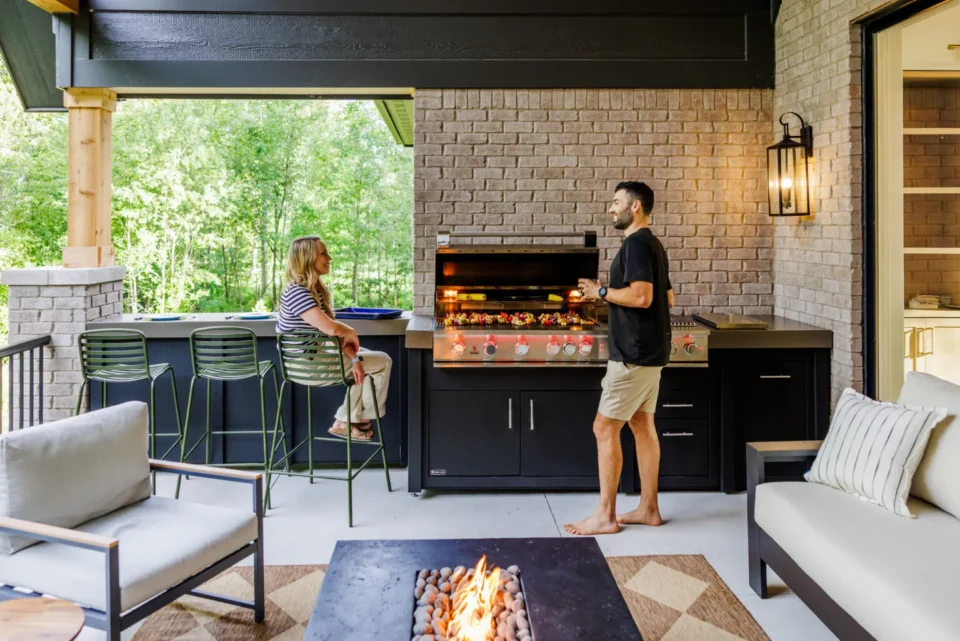
Backyards often sit unused, yet they hold the potential to be the most social, practical, and fun part of a home. Instead of leaving the grill tucked in a corner or setting up folding chairs that never quite feel right, you can shape that space into something lasting and personal. That’s where a custom outdoor kitchen changes everything. It’s not only about building a place to cook; it’s about creating a space where food, family, and friends connect without the limits of four walls.
Here’s the surprising part: most people think outdoor kitchens require a massive budget or sprawling yard. The truth? You can design one that fits small patios, modest budgets, and different cooking styles — from weekend grilling to full-course meals under the stars. What matters most is knowing where to start and how to plan smart. In this guide, you’ll see simple steps, practical choices, and creative approaches that help you avoid costly mistakes. By the time you’re done, you’ll see your yard in a new light — as a space ready to serve, host, and inspire every season.
How To Plan Your Layout
When you plan your layout, start with function, not fashion. Think about how you cook outdoors and who you host. Sketch a simple map of your yard and mark sun, shade, and wind. Keep the primary work triangle — grill, sink, fridge — within easy reach. Allow at least three feet of clear prep space beside the grill. If you include seating, place it so guests can chat without blocking your work. Consider the flow to and from the house for food and trash. Think of storage for tools, spices, and covers. Plan electrical and water access early—factor in a shelter or pergola for weather. Choose modular units if you think you’ll move later. Prioritize ventilation for char broilers or pizza ovens. Decide on fixed or mobile appliances. Add lighting for evening use. Map out drainage and slope. Confirm local setback rules and permits. Keep future upgrades in mind so you don’t overbuild now.
- Sketch your yard first to scale.
- Place the grill, sink, and fridge in a triangle.
- Reserve clear prep zones beside the grill.
- Plan power and water access early.
What Materials Work Best for Durability
You want materials that handle heat, weather, and low fuss. Stainless steel cabinets resist rust and look tidy. Concrete counters are tough and affordable when sealed correctly. Natural stone tops look great but may need sealing. Porcelain slabs offer heat resistance and easy cleaning. Avoid untreated wood unless it’s under cover. Powder-coated steel can be a budget-friendly option. Brick or stucco bases hide wear well. Choose outdoor-rated appliances only. Use marine-grade wiring for outlets and lighting. Pick fasteners that won’t corrode in your climate. For flooring, pick stone, pavers, or sealed concrete for slip resistance. Consider radiant heat if you entertain in cool months. Test samples in your yard to see how they age in sunlight. Think about repairability when choosing finishes. Simple materials often age more gracefully than trendy options.
- Choose stainless steel for longevity.
- Consider sealed concrete or porcelain countertops.
- Use outdoor-rated appliances and wiring.
- Test samples in place before buying.
Why Maintenance Matters and How to Keep It Easy
Maintenance keeps your kitchen useful and safe. Clean grill grates after each use to avoid flare-ups. Wipe countertops daily to prevent stains from setting. Reseal porous stone annually, depending on exposure. Check seals around sinks and appliances for leaks—Lubricate hinges and drawer slides once a year. Use covers for appliances in harsh weather. Inspect gas lines and connections regularly for safety. Clean grease traps and trash bins to control pests. Replace filters in outdoor fridges as recommended. Keep a small tool kit and repair kit near your kitchen—store cushions and soft goods inside when not in use. Rotate your cleaning schedule so tasks don’t pile up. Simple routines keep upkeep easy and cheap.
- Wipe surfaces daily.
- Clean grill grates after every use.
- Reseal stone counters yearly.
- Inspect gas lines and fittings.
How We Help You Move Forward
We’ve walked through layout, materials, and upkeep so you can start with clarity. If you want to take the next step, we’ll help you pick realistic priorities, set a budget, and prepare a simple checklist you can follow. We’re ready to answer practical questions and help you avoid common mistakes. Let’s plan a space that fits your life, not a glossy catalog photo. Ready to turn your yard into a useful, beautiful extension of your home? We’ll be here to guide you every step of the way — practical advice, honest options, and a clear path from idea to use.
